1. Prelude: The Need for a Women-Focused Health Initiative
Visakhapatnam, the bustling port city on Andhra Pradesh’s eastern coast, is home to thousands of self-help group (SHG) women who balance household, livelihood, and community responsibilities. In many urban areas, women often neglect their own health in the service of others. Recognizing this gap, the Andhra Pradesh government, through its urban mission wing, recently launched Sakhi Suraksha in Visakhapatnam under the larger Arogya Andhra program. The aim: to proactively safeguard the health of women in SHGs, particularly those above the age of 35, before minor ailments transform into chronic crises.
2. What Is Sakhi Suraksha?
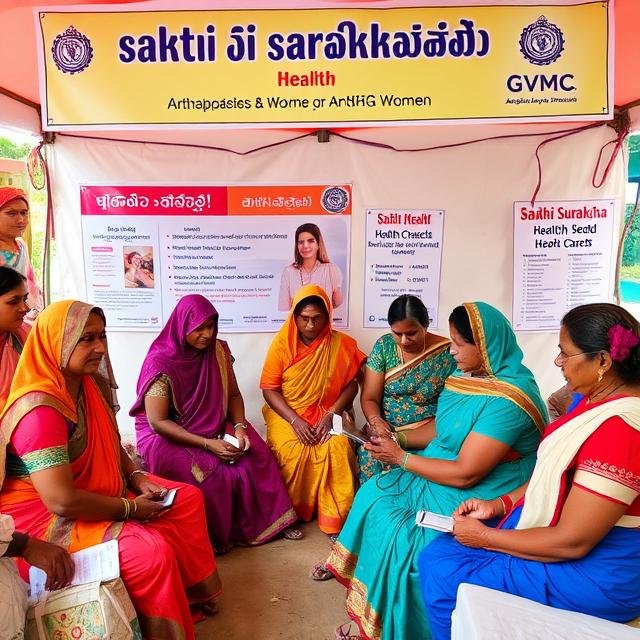
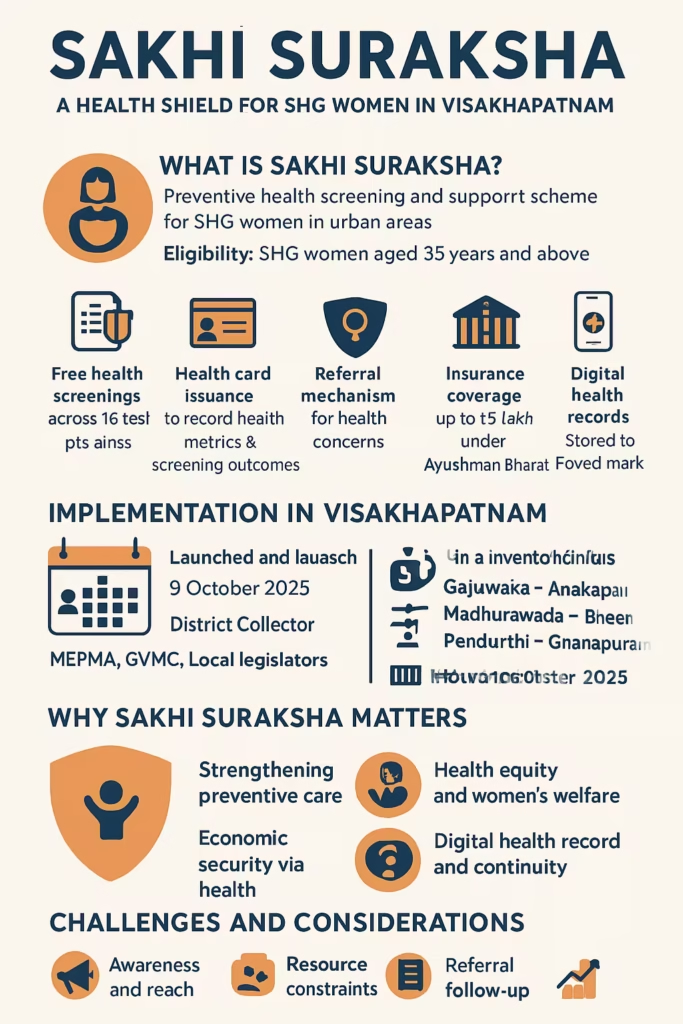
At its core, Sakhi Suraksha is a preventive health screening and support scheme designed exclusively for SHG women in urban areas of Visakhapatnam (and beyond in Andhra Pradesh). Key features include:
- Eligibility: SHG women aged 35 years and above in urban wards.
- Free health screenings across a battery of 16 tests, including checks for chronic diseases (diabetes, hypertension), nutritional deficiencies, women’s cancers, thyroid disorders, and mental health evaluations.
- Health card issuance to each participant to record health metrics and screening outcomes.
- Referral mechanism: If a test flags a health concern, the individual is referred to the appropriate government or private hospitals for further diagnosis or treatment.
- Insurance coverage: Eligible women can avail up to ₹5 lakh cover under the Ayushman Bharat scheme.
- Teleconsultation support: Four virtual consultations per year are offered, ensuring ongoing medical access.
- Digital health records: All data is stored and managed under the Ayushman Bharat Digital Mission (ABDM) framework.
Thus, rather than merely reacting to illness, Sakhi Suraksha positions itself as a shield — intervening early and facilitating continued care.
3. Implementation in Visakhapatnam: The Launch and Rollout
3.1 Launch Event & Stakeholders
The formal launch took place on 9 October 2025, at the Andhra University Convention Hall (AU Convention Centre) in Visakhapatnam. The launch drew a lineup of dignitaries, including:
- The District Collector (M. N. Harendhira Prasad)
- MEPMA (Mission for Elimination of Poverty in Municipal Areas) leadership
- GVMC (Greater Visakhapatnam Municipal Corporation) officials
- Local legislators and health department functionaries
Symbolic acts like unveiling the Sakhi Suraksha poster and inspecting screening booths were part of the ceremony.
3.2 Screening Hubs & Areas Covered
Screening centers were established in multiple zones of Visakhapatnam to maximize accessibility. The major clusters include:
- Gajuwaka – Anakapalli
- Madhurawada – Bheemunipatnam
- Pendurthi – Gnanapuram
These clusters span different wards spread across GVMC jurisdictions, ensuring that the program reaches both well-connected and underserved localities.
The drive is scheduled to continue through 26 October 2025, giving about two and a half weeks for eligible women to avail the services.
3.3 Partners & Technology Use
MEPMA has partnered with E-Doctor Pvt. Ltd. to provide advanced diagnostic and home screening support. Additionally, the “Sakhi Suraksha” mobile app, developed in collaboration with eVaidya, enables data capture, tracking, and interface with digital health infrastructure. (Google Play)
These technology supports help reduce friction, ensure better monitoring, and simplify referrals.
4. Why Sakhi Suraksha Matters: Impact & Significance
4.1 Strengthening Preventive Care
One of the core strengths of the scheme is its preventive orientation. By offering free screening, the initiative seeks to detect early signs of chronic diseases or cancer, where treatment can be less intensive and more cost-effective.
4.2 Health Equity & Women’s Welfare
Women in urban SHGs often lack the time, resources, or awareness to access regular health checkups. Sakhi Suraksha lowers those barriers, especially for lower-income women, helping reduce health inequities.
4.3 Economic Security via Health
A woman afflicted by illness often affects household incomes, caregiving burdens, and community resilience. The scheme’s integration with Ayushman Bharat insurance coverage adds a financial safety net, preventing health shocks from turning into debt crises.
4.4 Digital Health Record and Continuity
By embedding digital health records (through ABDM), the initiative ensures longitudinal tracking — so a woman’s screenings, referrals, and treatments are traceable and followable over time. This continuity is critical to ensure follow-ups are not lost.
4.5 Reinforcing SHG Ecosystem
SHG groups in Andhra Pradesh are often platforms for savings, credit, and livelihood schemes. By integrating health into this ecosystem, Sakhi Suraksha adds a crucial dimension — care — which strengthens the social capital and trust within SHGs.
5. Challenges and Considerations
While ambitious and beneficial, the implementation of Sakhi Suraksha may face hurdles:
- Awareness and Reach: Some eligible women may not immediately know about the scheme or may face mobility, domestic, or social constraints to attend screening centers.
- Resource Constraints: Adequate staffing, test kits, lab capacity, and data processing support must scale to match demand.
- Referral Follow-up: Detecting a health concern is only half the battle — ensuring that referred individuals follow through to treatment is critical. Socioeconomic, transportation, or institutional barriers may cause dropouts.
- Data privacy & security: As health and personal data are digitized, robust safeguards will be essential to maintain trust.
- Sustainability: The scheme must outlast initial enthusiasm and institutionalize itself across municipal wards over the long term.
Addressing these will require cross-sector coordination: health departments, municipal authorities, SHG federations, NGOs, and private healthcare providers.
6. Voices & Reactions
Though the program is recent, early responses from stakeholders suggest optimism:
- The District Collector emphasized that many women defer care due to everyday responsibilities — Sakhi Suraksha can act as their “protective health shield.”
- MEPMA officials see it as complementing other empowerment programs for women (e.g. “One Family – One Entrepreneur”) to combine economic and health security.
Citizens on social media have echoed these sentiments, highlighting the accessibility and goodwill of bringing health services directly to urban wards. (Facebook)
7. Roadmap Ahead: For Greater Effectiveness
To make Sakhi Suraksha deeply impactful and enduring, the following strategies may aid:
- Intensive awareness campaigns: Use SHG networks, local NGOs, community health volunteers, and mobile vans to inform women.
- Mobile screening units: For women unable to visit fixed centers, home visits or mobile camps could bridge the gap.
- Strong follow-up mechanisms: Assign SHG peer health mentors to monitor referred cases and accompany them to hospitals if needed.
- Integration with primary health centers (PHCs): Strengthen linkages with municipal/PHC infrastructure to manage downstream care.
- Periodic monitoring & evaluation: Use indicators like uptake rate, referral conversion, health outcomes, and user satisfaction to refine operations.
- Scaling across wards & cities: Eventually replicate the model to all urban municipalities in Visakhapatnam district and elsewhere in Andhra. (Vizag)
Conclusion
Sakhi Suraksha represents more than a health scheme — it symbolizes a shift from reactive treatment to preventive care, from isolated health drives to digital continuity, from impersonal systems to women-centered shield. For Visakhapatnam, it offers a realistic pathway to strengthen the well-being of SHG women, enabling them to lead healthier, more secure lives. As the initiative unfolds, its success will lie not just in numbers screened, but in lives strengthened, diseases caught early, and communities empowered to prioritize health.